


Pesto, alfredo, and bolognese, which are among the famous pasta sauces, can be prepared much more easily and deliciously thanks to an enamel saucepan. The enamel coating distributes heat evenly, preventing the sauce from burning while ensuring the consistency is ideal. Moreover, its stylish appearance provides a very pleasant presentation during service as well. If you want to prepare restaurant-quality sauces at home, get ready to discover the difference of using an enamel saucepan. Let's go on a delicious journey together and learn how to prepare these three special sauces in the best way.
What are the Advantages of Making Pasta Sauce in an Enamel Saucepan?
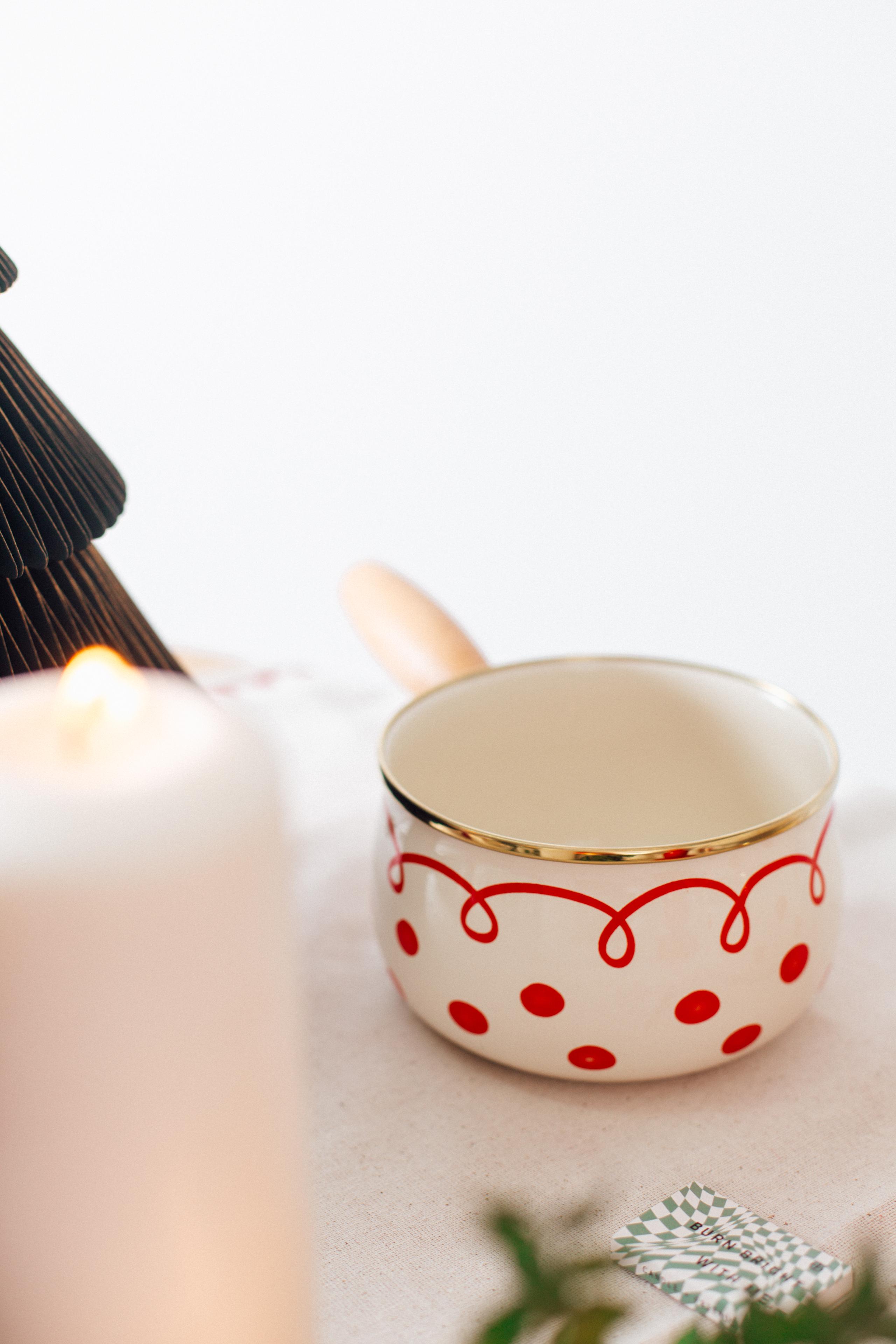
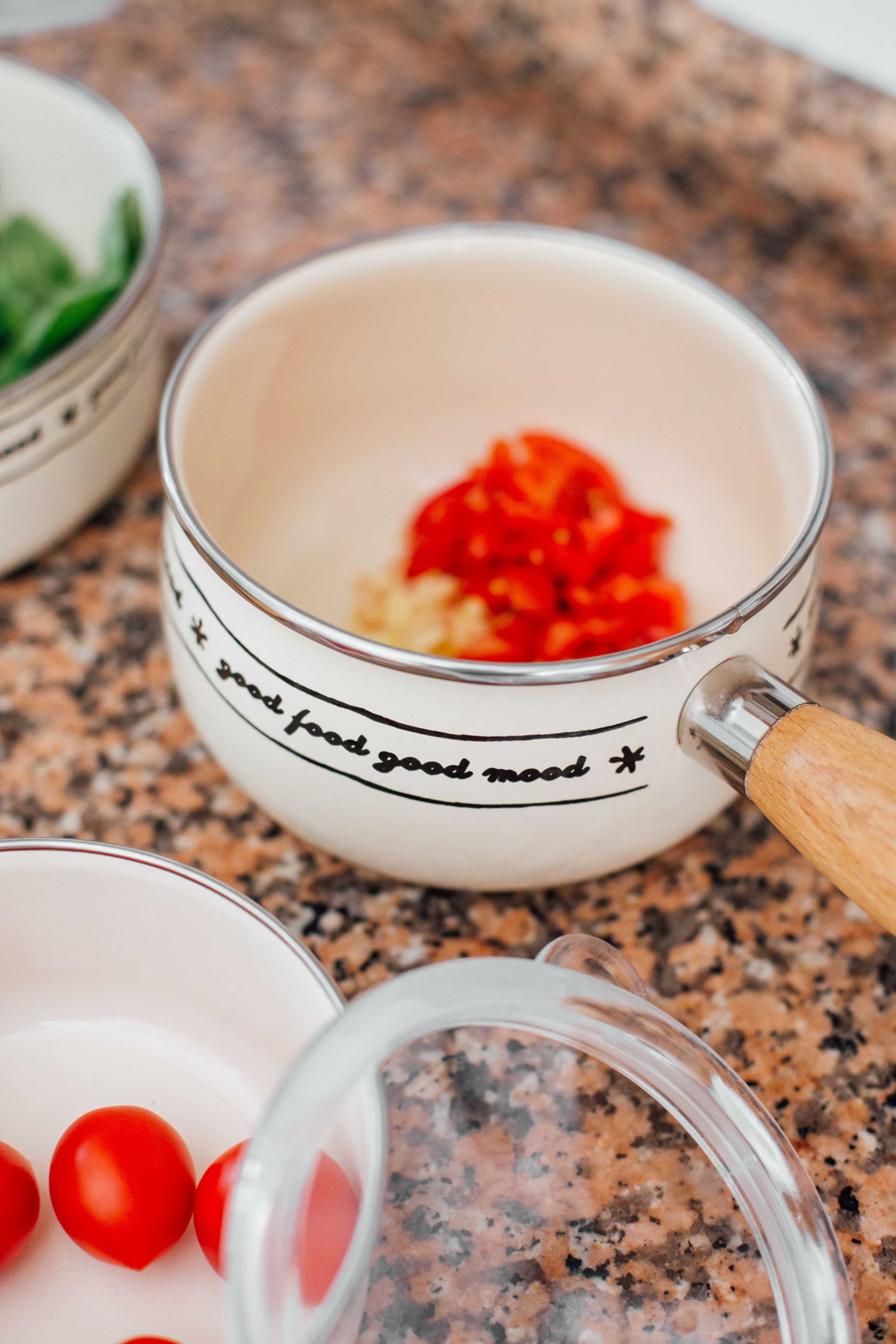
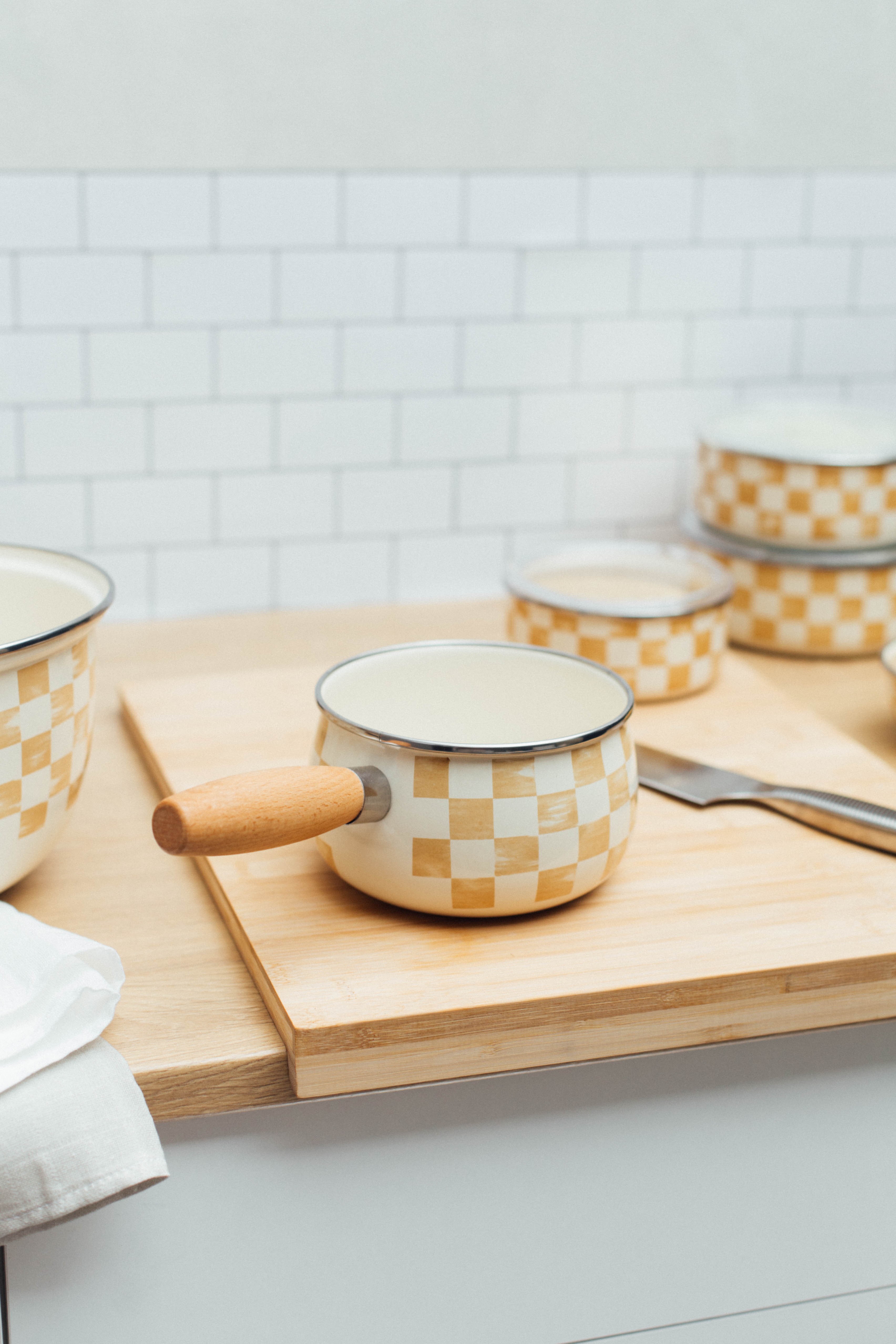
The enamel saucepan has become a favorite for those seeking both practicality and quality in the kitchen. The pot or saucepan used when preparing pasta sauce can greatly affect the taste of the sauce. This is where the enamel saucepan comes into play. First of all, these saucepans distribute heat evenly, ensuring that every part of the sauce is cooked to the same degree. This is especially important for thickened sauces.
Another advantage is the non-stick surface provided by the enamel coating. Thus, the risk of burning or sticking to the bottom is minimized, even in dairy-based recipes like an alfredo sauce recipe. Additionally, enamel is suitable for use with metal spoons or whisks and is quite resistant to scratches. It provides great convenience to the user in terms of both taste and cleaning.
These products, which also add elegance to your kitchen in terms of visuals, allow for serving directly. Finally, options like the pesto sauce recipe or bolognese sauce recipe, which are among the famous pasta sauces, provide a much more professional result with an enamel saucepan. Therefore, choosing an enamel saucepan when making pasta sauce should not just be a habit, but a conscious choice.
3 Pasta Sauces with an Enamel Saucepan
Pesto Sauce Recipe (Green Aromatic Sauce) Ingredients:
- 2 cups fresh basil leaves
- 2 cloves garlic
- 1/3 cup pine nuts (walnuts can also be used, optionally)
- 1/2 cup olive oil
- 1/2 cup grated parmesan cheese
- Salt
Preparation: Heat your enamel saucepan very slightly. Toast the pine nuts in it for 2-3 minutes (optional). Process all ingredients in a blender. Add the olive oil slowly to adjust the consistency. Mix with the pasta by heating slightly in the enamel saucepan for just 1-2 minutes.
Alfredo Sauce Recipe (Creamy White Sauce) Ingredients:
- 2 tablespoons butter
- 1.5 cups heavy cream
- 1 cup grated parmesan
- Black pepper, salt
Preparation: Melt the butter in the enamel saucepan. Add the cream and heat while stirring, but do not boil. Add the parmesan slowly. Ensure the cheese melts by stirring constantly. Once the sauce thickens, season with salt and black pepper. Mix with the pasta immediately.
Bolognese Sauce Recipe (Meat and Tomato Sauce) Ingredients:
- 300g ground beef
- 1 onion (chopped)
- 2 cloves garlic
- 2 tablespoons tomato paste
- 2 tomatoes (grated)
- 1 carrot (grated)
- 1/2 cup water
- Olive oil, salt, black pepper, thyme
Preparation: Heat the olive oil in the enamel saucepan, sauté the onion and garlic. Add the ground beef and cook until it releases and absorbs its juices. Add the carrot, tomato paste, and grated tomatoes. Add the spices and the water. Cook on low heat with the lid closed for 20-30 minutes. Combine with pasta.
I am sure you will find your favorite after trying these recipes. If you wish, I can also suggest vegan, gluten-free, or lighter alternatives. Enjoy your meal! 🍝
🍳 Click for Enamel Pan Options!
Does an Enamel Saucepan Affect the Flavor of Sauces?
When it comes to pasta sauce, not only the recipe but also the cooking method is very important. The enamel saucepan comes into play right here because it can directly affect the flavor of the sauces. This is because the enamel surface does not react chemically with food and spreads heat evenly.
For example, while preparing a bolognese sauce recipe, the ground meat and vegetables need to cook at an equal rate. Thanks to the enamel surface, all ingredients cook at the same temperature, which ensures flavor integrity. Similarly, aromatic sauces like a pesto sauce recipe offer a pure and clear taste, free from metallic flavors.
The enamel saucepan is also suitable for long-term cooking on low heat. This makes it easier to achieve thickness and consistency, especially in creamy sauces like an alfredo sauce recipe.
What Should Be Considered When Using an Enamel Saucepan?
An enamel saucepan is a great helper in the kitchen, but some points should be considered for long-lasting and efficient use. Firstly, since the enamel surface can be sensitive, it is better to use wood or silicone instead of metal when inserting a spoon or ladle. In this way, scratches are prevented.
During the heating process, the enamel saucepan should not be placed on the stove while empty. Heating it directly without liquid or oil inside can cause the surface to crack. This is important even in recipes that start raw, such as a pesto sauce recipe. Similarly, heat balance is very important for an alfredo sauce recipe; sudden temperature changes should be avoided.
Enamel saucepans should be washed by hand. Frequent washing in the dishwasher may cause the coating to become dull over time. Also, for long-term cooking like a bolognese sauce recipe, it should be stirred frequently to prevent sticking to the bottom, but it is useful to avoid overly harsh interventions.
During cleaning, harsh chemical-based cleaners should be avoided. Warm water and a soft sponge are usually enough. For remaining residues, a gentle cleaning can be done with a baking soda solution.
Thanks to the enamel saucepan, these famous pasta sauces become both tastier and more practical. Moreover, such a saucepan offers not only ease of use but also excellent cooking quality. Small details under every recipe can make big differences. If you are looking for stylish, healthy, and delicious solutions in the kitchen, do not neglect to use an enamel saucepan. Results that appeal to both your eyes and your palate await you!


