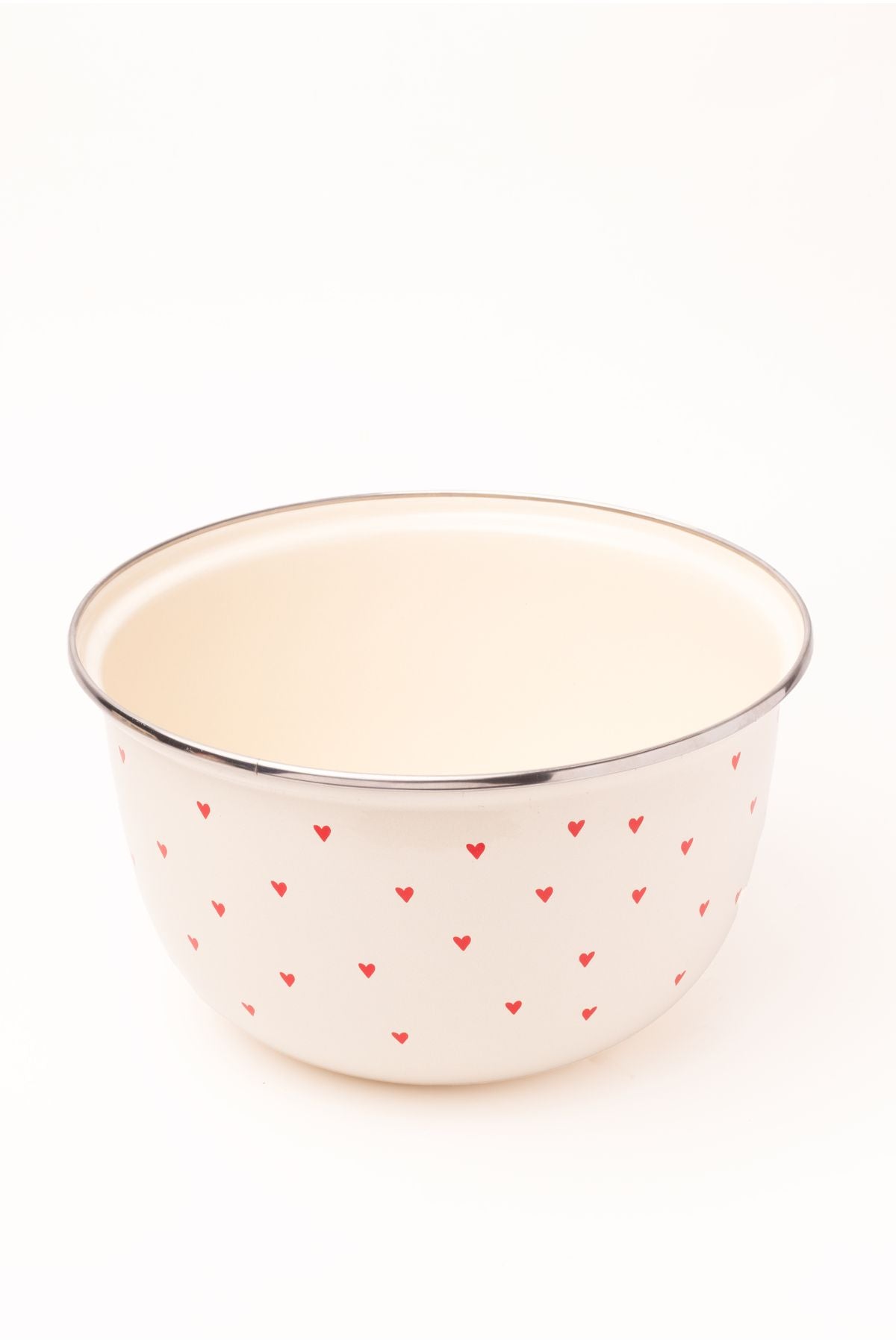
One of the questions frequently asked by cat owners is what the size of a cat food bowl should be. Choosing the right food bowl ensures both healthy feeding for the cat and minimizes the stress that may occur during mealtime. The food bowl size should be determined according to the cat's age, breed, and daily food portion.
What is the Ideal Cat Food Bowl Size?
An ideal cat food bowl should have an average diameter of 12 to 16 cm and a depth of 3 to 5 cm. Since cats' whiskers are very sensitive, bowls that are too deep or narrow can cause discomfort. Experts state that this condition, known as whisker fatigue, can cause loss of appetite in cats.
In general, while a food bowl 15 cm in diameter and 4 cm deep is sufficient for an adult cat, smaller sizes should be preferred for kittens. These measurements are suitable for serving both dry and wet food.
What Should the Bowl Size Be According to Daily Food Amount?
Cats' daily food requirement is on average 50-70 grams of dry food. If wet food is preferred, this amount can increase to approximately 150-200 grams. These values can vary depending on the cat's weight and age.
According to the daily food amount, the bowl's volume should be approximately 200-250 ml. This allows the food to be placed comfortably and makes it easily accessible to the cat. If the food will remain in the bowl throughout the day, a model with a larger surface area should be preferred. This allows the food to get air and be consumed without going stale.
What is the Appropriate Food Bowl Size for Daily Food Amount?
It is normal for cats to eat slowly throughout the day. Therefore, it is recommended to use a bowl that can hold an amount sufficient for the whole day. A 250 ml cat food bowl offers an ideal capacity for most house cats. This both meets the daily requirement and prevents the food from spilling.
Additionally, the sides of the bowl not being too high makes it easier for the cat to reach its food. Shallow and wide-based bowls should be preferred, especially for older cats or those with joint issues.
Why Are Food Bowl Depth and Width Important?
The depth and width of the food bowl are two key factors that directly affect the cat's comfortable feeding. Narrow or high-sided bowls can negatively affect the cat's eating behavior. This can lead to nutritional problems. At the same time, an unsuitable bowl can even cause the cat to avoid eating.
A bowl of the correct size allows the cat to eat without tilting its head or putting pressure on its whiskers. This positively impacts the cat's eating habits.
Why is Depth Important for the Cat to Eat Comfortably?
Cats eat food by scraping it with their tongues. For this reason, very deep bowls make it difficult for the cat to get its food. A deep bowl causes the cat to tilt its neck excessively, creating an uncomfortable eating experience. An average depth of 3-4 cm is ideal for most cats.
Furthermore, some cats do not like brushing against the sides of the food bowl while eating from deep bowls. This can lead to loss of appetite and behavioral changes. For such reasons, the depth factor should not be neglected.
Are Wide Food Bowls More Comfortable for Cats?
Yes, wide food bowls are generally more comfortable for cats. Wide-mouthed bowls, in particular, allow cats to access the food more easily. Also, their whiskers not touching the sides prevents them from getting stressed. Wide bowls also help the food spread out better; this ensures the food is consumed more easily.
Models with a wide base and non-slip bottom prevent the bowl from moving while eating. This makes life easier for both the cat and its owner. This feature should be considered not only for cat food bowl models but also for dog food bowl options.
In terms of pet health, choosing the right food bowl is quite critical. To give a clear answer to the question of how many cm a cat food bowl should be, the ideal diameter should be in the 12-16 cm range, and the depth should be in the 3-5 cm range. The bowl volume should be between 200-250 ml for an average cat. These measurements both meet the daily food requirement and ensure the cat is comfortable.
When choosing a food bowl, the cat's age, weight, and health status should be considered. Otherwise, an incorrectly chosen bowl can lead to nutritional issues and health problems in the long run.
Pet owners should pay attention not only to the food content but also to the way it is served. This way, cats can be fed in a happier, healthier, and stress-free manner. Especially when buying cat and dog food bowls, each of the factors such as size, material, and design should be evaluated carefully.